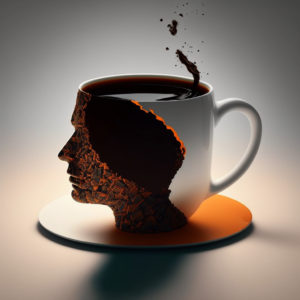

In an age of relentless information, the modern individual often finds themselves adrift in a sea of breaking news, social media alerts, and targeted advertisements. What if this incessant stream of content isn’t just informing us, but actively shaping our emotional landscape in a way that benefits commercial interests? The “fear-consumerism loop” describes precisely this phenomenon: a self-perpetuating cycle where media-driven anxiety and fear translate into increased consumer spending. It’s a subtle but powerful dynamic, transforming our deepest anxieties into economic drivers, leaving many feeling perpetually unsettled and endlessly seeking solace in their shopping carts. This article will dissect the anatomy of this loop, exploring its psychological foundations, its pervasive manifestations, and crucially, how individuals can reclaim their autonomy and break free from its grip.
What is the Fear-Consumerism Loop?
The fear-consumerism loop is a socio-economic theory that posits a direct causal link between the widespread dissemination of negative or anxiety-inducing information and an uptick in consumer behavior. It suggests that a population kept in a heightened state of fear, anxiety, or even low-grade depression is more pliable and responsive to commercial messaging that promises solutions, comfort, or escape.
The Media’s Role: Cultivating Unease
At the heart of the loop is the media, broadly defined to include traditional news outlets, social media platforms, and entertainment.
- Negativity Bias in News Reporting: Human psychology is predisposed to pay more attention to threats and negative stimuli. This “negativity bias” means that stories about crime, disaster, economic downturns, health crises, and social conflicts naturally draw more eyeballs than positive stories. News organizations, driven by ratings and clicks, often prioritize these sensational narratives. The result is a media landscape saturated with alarming headlines and urgent alerts, creating a constant hum of background anxiety.
- Algorithmic Reinforcement: Social media algorithms exacerbate this. They are designed to maximize engagement, and fear-inducing content often generates more shares, comments, and prolonged scrolling. This creates echo chambers where individuals are repeatedly exposed to content that confirms and intensifies their existing anxieties.
- Entertainment and Drama: Even entertainment can contribute, with thrillers, dystopian narratives, and true-crime genres normalizing a state of high alert or moral panic, subtly conditioning audiences to perceive the world as inherently dangerous or unstable.
Advertising as the “Solution Provider”
Once a state of unease has been established, advertising steps in to offer the antidote. Advertisers are masterful at identifying “pain points” – those areas of our lives where we feel insecure, lacking, or threatened – and positioning their products as the ultimate solution.
- Direct Appeals to Fear: Ads for security systems, insurance, health supplements, or even anti-aging creams directly tap into fears of physical harm, financial ruin, illness, or social rejection. They don’t just sell a product; they sell peace of mind, protection, or rejuvenation.
- Anxiety and Aspiration: Lifestyle advertising often creates anxiety through social comparison. By showcasing idealized versions of life, body types, or success, these ads subtly suggest that current circumstances are inadequate, fueling a desire to “keep up” or “be better.” The new car, the perfect home decor, the latest fashion—all become tools to alleviate the anxiety of not measuring up.
- Depression and Escapism/Comfort: For those experiencing feelings of sadness or discontent, advertising offers immediate, albeit temporary, dopamine hits. “Retail therapy,” comfort foods, luxury purchases, or immersive entertainment are presented as accessible avenues for emotional relief or escape from mundane realities.
Why the Fear-Consumerism Loop Works So Well: The Psychological Underpinnings
The effectiveness of this loop isn’t accidental; it’s deeply rooted in fundamental human psychology and neurobiology.
The Amygdala Hijack and Impulsive Behavior
When we encounter fearful or anxious stimuli, our brain’s amygdala (the emotional processing center) goes into overdrive. This “amygdala hijack” can override the prefrontal cortex, the part of the brain responsible for rational thought, critical analysis, and long-term planning.
- Reduced Critical Thinking: In a state of alarm, we are less likely to critically evaluate claims made by advertisers. The promise of immediate relief or protection becomes overwhelmingly appealing.
- Increased Impulsivity: The desire to alleviate discomfort quickly leads to impulsive decisions. Buying something, anything, can provide a temporary sense of control or immediate gratification, calming the agitated nervous system.
The Need for Control and Agency
A significant factor is the human need for control. When news reports highlight large-scale, uncontrollable threats (climate change, global pandemics, economic recessions), individuals can feel powerless.
- Purchasing as an Act of Control: Buying a product can provide a tangible, albeit symbolic, sense of agency. For example, buying “eco-friendly” products might alleviate anxiety about climate change, even if the individual impact is small. Buying a new gadget might make one feel more prepared for an uncertain future.
- Illusion of Safety: Marketing often plays into this, offering products that create an illusion of safety or preparedness, even if the actual benefit is negligible compared to the magnitude of the perceived threat.
Dopamine and the Reward System
Shopping, especially for new or desired items, triggers the release of dopamine in the brain’s reward pathways. This provides a temporary feeling of pleasure and satisfaction.
- Escapism and Comfort: When individuals are feeling anxious or down, this dopamine hit becomes particularly potent. It offers a brief respite from negative emotions, creating a learned association between purchasing and emotional relief. This can lead to compulsive buying habits as a coping mechanism.
- The “Newness” Factor: The excitement of acquiring something new is a powerful motivator. Advertisers constantly release “new and improved” versions of products to continuously activate this reward system.
Social Comparison and Belonging
Humans are social creatures with an innate desire to belong and to maintain a certain social status.
- Fear of Missing Out (FOMO): Social media, in particular, excels at generating FOMO. Seeing peers with certain products, experiences, or lifestyles can trigger anxiety about being left behind, prompting purchases to “keep up.”
- Identity Construction: Products are often marketed as tools for self-expression and identity construction. When feeling insecure or lost, individuals might buy into brands or styles that promise to confer a desirable identity, alleviating internal anxieties about self-worth.
Breaking the Loop: Strategies for Conscious Consumption and Well-being
Recognizing the fear-consumerism loop is the first step; actively disrupting it requires intentional effort and a shift in perspective.
1. Curate Your Information Diet
- Limit News Consumption: Don’t abandon the news entirely, but be mindful of its quantity and quality. Choose reputable sources, diversify your news intake beyond sensational headlines, and consider setting specific times for checking news rather than constant updates.
- Actively Seek Positive News: Counterbalance the negativity bias by intentionally seeking out solutions-focused journalism, positive community stories, and inspiring human interest pieces.
- Unfollow and Mute: On social media, aggressively unfollow accounts that consistently trigger anxiety or promote unrealistic lifestyles. Mute keywords that generate unnecessary fear or distress.
2. Cultivate Media Literacy
- Identify Persuasion Tactics: Learn to recognize common advertising techniques: appeals to emotion, scarcity tactics, social proof, authority figures, and problem-solution framing. Ask yourself, “What emotion is this ad trying to evoke in me?”
- Question the Narrative: When confronted with alarming news, pause and ask: “What is the source’s agenda? Is this story presenting a balanced perspective? Am I being informed or agitated?”
- Understand Algorithms: Be aware that social media feeds are curated to keep you engaged, not necessarily to provide balanced information. Actively seek out diverse viewpoints rather than passively consuming what the algorithm presents.
3. Practice Mindful Consumption
- The “Pause and Reflect” Rule: Before making an impulsive purchase, especially online, implement a “pause and reflect” rule. Add items to a cart, then wait 24-48 hours. During this time, ask yourself:
- “Why am I buying this? Is it a genuine need or an emotional response?”
- “Am I trying to solve a problem that this product cannot actually fix?”
- “Is this purchase aligning with my long-term values and goals, or is it a fleeting desire?”
- Distinguish Needs from Wants: Critically evaluate whether a purchase genuinely fulfills a practical need or if it’s driven by social pressure, marketing hype, or an emotional void.
- Seek Experiences Over Possessions: Invest in experiences (travel, hobbies, learning, relationships) rather than solely accumulating material goods. Research consistently shows that experiences contribute more to long-term happiness than possessions.
4. Address Underlying Emotional Needs
- Develop Healthy Coping Mechanisms: Instead of turning to shopping, cultivate healthier ways to manage fear, anxiety, and depression. This could include exercise, meditation, spending time in nature, pursuing creative hobbies, connecting with loved ones, or engaging in volunteer work.
- Seek Professional Support: If feelings of anxiety, fear, or depression are persistent and overwhelming, consider seeking help from a therapist or counselor. Addressing the root causes of these emotions is more effective than attempting to mask them with purchases.
- Practice Gratitude: Regularly reflecting on what you already have and appreciate can counteract the feeling of lack that advertising often exploits.
5. Foster Community and Connection
- Real-World Connections: Prioritize face-to-face interactions and meaningful connections over online engagement. Strong social bonds provide a buffer against feelings of isolation and inadequacy, which are often exploited by consumer culture.
- Collaborate and Share: Participate in local sharing economies, skill-swapping, or community gardens. These activities not only reduce the need for constant purchasing but also foster a sense of collective well-being.
Conclusion
The fear-consumerism loop is a potent force in modern society, subtly manipulating our deepest human vulnerabilities for commercial gain. By leveraging our innate negativity bias, hijacking our emotional responses, and preying on our need for control and belonging, news and advertising can create a relentless drive to consume. However, understanding this dynamic is the first step towards dismantling its power. By consciously curating our information intake, cultivating critical media literacy, practicing mindful consumption, addressing our emotional needs through healthy coping mechanisms, and fostering genuine community, individuals can break free from this insidious cycle. In doing so, we not only protect our wallets but, more importantly, safeguard our mental well-being and reclaim agency over our emotional and financial lives.